The Thermodynamic and Biomechanical Imperative of Active Fluid-Circulating Sleep Systems
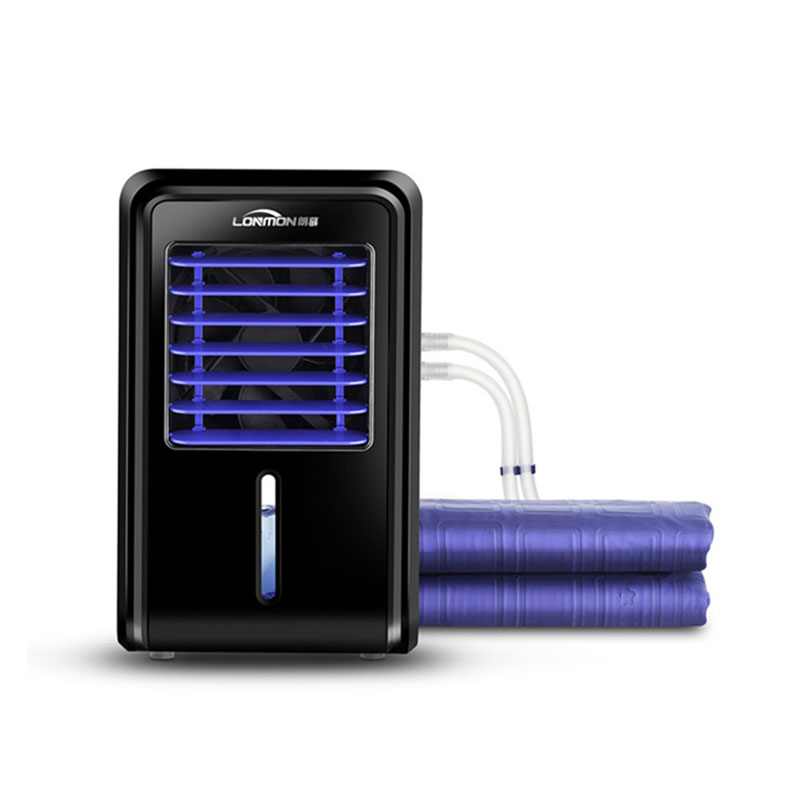
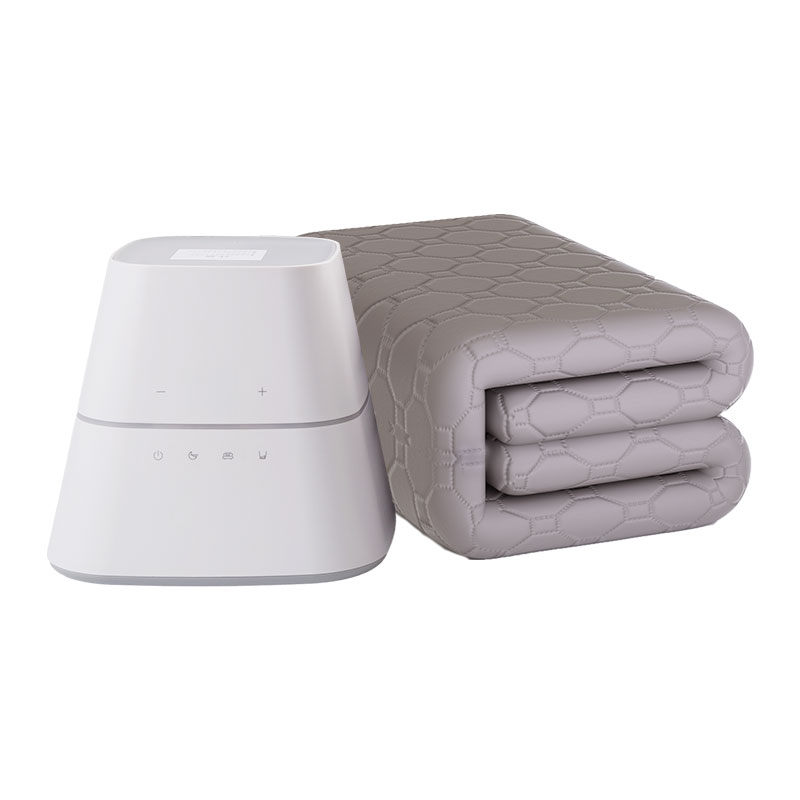
Integrating an advanced electric water cooled mattress pad into a residential bedding stack or clinical sleep environment provides a highly reliable, mathematically precise solution for regulating core body temperatures and mitigating nocturnal heat retention. By continuously pumping temperature-controlled water through an interconnected network of micro-bore silicone or medical-grade PVC tubes embedded within a breathable mattress topper, these active systems bypass the inherent thermal limitations of passive bedding materials like gel-infused foam or high-GSM cotton. This closed-loop hydraulic configuration delivers an energy savings of up to 60% compared to traditional room air conditioning units, maintaining a target sleep surface temperature anywhere from 13°C to 46°C regardless of ambient humidity. This active approach stabilizes heart rate variability (HRV), extends deep slow-wave sleep stages, and completely prevents the trapped-heat "oven effect" typical of dense poly-foam cushioning.
In modern sleep science, maintaining a cool sleep surface is recognized as essential for triggering metabolic melatonin production and ensuring restful sleep. Standard passive mattress pads rely entirely on delayed heat conduction, absorbing body heat until the surrounding fabric matches skin temperature, at which point cooling stops and sweat accumulates. This heat retention disrupts sleep, forcing the sleeper to wake up or toss and turn to find a cool spot. Active fluid-circulating pads solve these thermal issues by using an external thermoelectric Peltier module or compressor chiller to absorb and dump body heat continuously, ensuring a steady, cool sleeping environment throughout the entire night.
Fluid Dynamics, Thermoelectric Peltier Physics, and Micro-Tubing Matrix Layouts
The cooling speed, surface softness, and mechanical life of an electric liquid-circulating pad depend on its water pump pressure, grid spacing, and heating-cooling engine physics.
Understanding Thermoelectric Peltier Heat Shifting
The thermal control unit sitting next to the bed relies on a high-capacity thermoelectric Peltier device or a compact compressor loop. When a DC current passes through a Peltier semiconductor junction, it forces heat to move from one side of the plate to the other, making one side ice-cold while the opposite side vents heat via built-in radiator fans. Water passes over the cold side of the junction, chilling down before being pumped through the bed. This solid-state mechanism operates at less than 35 decibels of sound noise, allowing it to cool the bed quietly without disturbing light sleepers.
Optimizing Tube Grid Spacing and Capillary Fluid Flows
To provide uniform cooling without letting the user feel the hard edges of the internal plumbing, advanced mattress pads use micro-bore silicone tubes with an outer diameter of less than 3.5 millimeters, spaced precisely 1.5 to 2.5 centimeters apart in a wavy grid pattern. This tight layout distributes water evenly across the entire surface, ensuring no warm spots develop under the sleeper's torso, while thick quilted top layers mask the tubes completely for maximum comfort.
Comparative Design Evaluation: Active Fluid-Circulating Mattress Pads vs. Traditional Electric Resistive Heating Blankets
Choosing an effective climate-controlled sleep system requires looking at thermal adjustment ranges, electrical safety, EMF radiation exposure, and long-term washability. The table below outlines the core differences between active fluid pads and old-fashioned resistive heating wires.
| Engineering Performance Variable | Electric Water Cooled Mattress Pad | Traditional Electric Resistive Heating Blanket |
|---|---|---|
| Bi-Directional Thermal Versatility | Complete (True refrigeration cooling and hydronic heating) | Heating Only (Cannot drop below room ambient temperature) |
| In-Bed Electrical Voltage Exposure | Zero Volts (Only pure water enters the bedding perimeter) | High Voltage (110V-220V AC lines run directly near skin) |
| Electromagnetic Field (EMF) Output | Zero Milligauss (EMF radiation is completely isolated to pump box) | High (Unshielded heating loops emit continuous EMF grids) |
| Fire and Thermal Burn Hazard Risk | None (Water system cannot overheat past pre-set limits) | Elevated (Short-circuits or bunched wires can spark fire) |
| Machine Washability Profiles | Safe (Flexible silicone tubes survive gentle drum washing) | Low (Frequent folding breaks fragile internal metal filaments) |
The technical data highlights the massive safety and utility differences between hydronic beds and old-school electric blankets. Standard resistive blankets are budget-friendly, but they expose users to continuous electromagnetic fields (EMF) and high-voltage lines that can overheat if the blanket bunches up during sleep. They also offer no cooling capabilities, making them useless during hot summer months. Water-circulating mattress pads solve these safety and seasonal limitations by keeping all electrical parts outside the bed frame, using water as a safe, neutral fluid to either cool or heat the bed surface to the exact degree desired.
Advanced Digital Control Interfaces and Automated Dual-Zone Layouts
Modern electric water pads integrate smart home telemetry, automated temperature profiles, and isolated dual-pump systems for customized partner comfort.
- Independent Dual-Zone Hydro-Engines: Large king and queen size configurations utilize two separate water pumps and distinct plumbing lines inside a single pad, allowing partners to set completely different temperatures on their respective sides of the bed.
- Circadian Temperature Scheduling: Advanced control apps let users program temperature shifts throughout the night, dropping the bed temperature during deep sleep hours and raising it right before waking to mimic natural body clock rhythms.
- Automated Dry-Run Shutdown Protection: To prevent water pump motor burnouts, digital optical sensors track water levels in the reservoir, automatically cutting power and sounding an alarm if water falls below the safe minimum line.
Step-by-Step System Priming, Hydro-Fitting, and System Purging Protocol
Because kinking tubes or letting air pockets build up can block water flow and reduce cooling efficiency, setup crews follow a specific initialization sequence.
- Pad Alignment and Elastic Anchoring: Lay the water pad flat over the mattress, pulling the elastic skirt pockets firmly over the bed corners to keep the internal tube network completely straight and unkinked.
- Connecting the Leak-Proof Quick-Connect Valves: Push the insulated water umbilical tubes into the rear ports of the pump box until the spring-loaded metal fittings click securely, creating an airtight, leak-proof seal.
- Distilled Water Charging: Open the reservoir lid and fill the tank with pure distilled water, avoiding tap water to prevent mineral scales from clogging the tiny tubes over time.
- System Priming Cycle Initiation: Power on the control box to start the primary pump cycle, adding extra distilled water as the machine pushes fluid into the pad and sweeps away trapped air pockets.
- Thermal Calibration Verification: Set the engine to its minimum cooling temperature (e.g., 15°C), checking the entire pad surface after 15 minutes of operation to confirm uniform chilling and dry, secure connection points.
Mitigating Biofilm Slime Accumulation and Managing Dew-Point Surface Condensation
Even premium-grade active fluid-circulating mattress pads can experience drop-offs in performance like slime blockages or surface condensation if they are maintained incorrectly or run at extreme temperatures in humid rooms.
Preventing Internal Biofilm Slime Blockages
Biofilm accumulation occurs when organic microscopic algae and bacterial molds grow inside the dark, warm water tubes of the pad. If left untreated, this organic slime forms a thick coating that chokes off water movement, strains the pump engine, and reduces heat transfer speeds. Users can easily prevent this organic fouling by using exclusively distilled water and adding a few milliliters of hydrogen peroxide or clear aquarium conditioner to the reservoir every month to sterilize the system and keep lines clear.
Managing Dew-Point Surface Condensation Dampness
Dew-point surface condensation happens when the water pad is set to an ultra-low cooling temperature in a hot room with high relative humidity. If the bed surface temperature drops below the ambient dew point, moisture from the air will condense directly onto the fabric sheet, making the bed feel damp and encouraging mold growth. Sleepers can easily avoid this condensation by keeping their bedroom humidity below 50% using a dehumidifier or setting the pad temperature above 18°C on humid nights, keeping the cooling surface safe, dry, and balanced.